
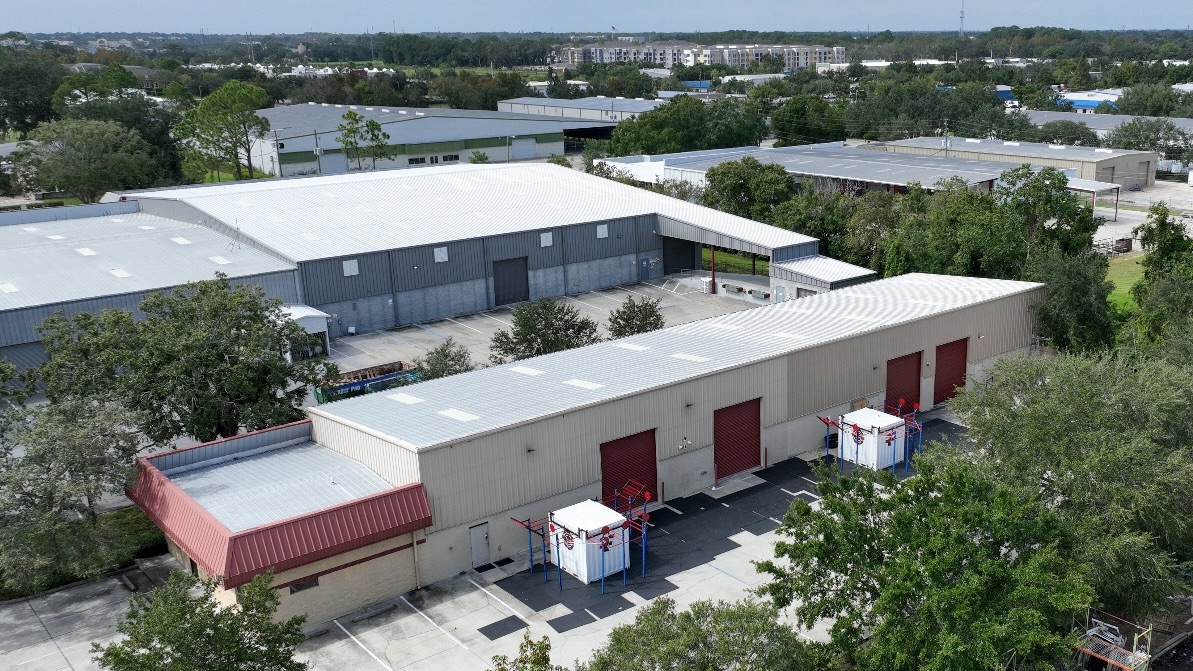
A commercial roof insurance claim is decided by what gets written down, not by what gets said on the phone. It is the count of hail bruises across a TPO field, the number of coping caps a straight-line wind pulled loose, the moisture readings taken at a parapet after a wind-driven rain. Commercial Roofers of Des Moines builds that record for building owners and property managers across Polk, Dallas, and Warren counties, then meets the adjuster on the roof to walk through it in person.
We are a roofing contractor, not a public adjuster. We do not file the claim, negotiate the settlement, or promise a payout. What we do is put a storm-affected roof under real scrutiny and produce a scope that reflects what is actually wrong with it, including the code-driven upgrades, matching requirements, and secondary damage that get missed when an inspection is rushed.
Des Moines carries a particular weight in this conversation. The metro is home to a concentration of insurance and financial-services carriers, and the buildings that house them - downtown towers connected by the skywalk system, suburban office campuses in West Des Moines and Clive - are held to a higher standard when a claim comes through. An underwriter working a few floors above a claims desk expects a documented scope, not a verbal estimate.
The same logic applies to the warehouse and distribution space that has grown along the I-80/I-35 corridor and around the Altoona and Bondurant interchanges. A single-ply membrane on a large distribution roof can hide hail bruising for months if nobody walks it with a moisture meter and a marked grid. When a storm claim finally gets filed, the difference between a partial repair and a full-scope replacement often comes down to how thoroughly that roof was documented at the outset.
Our process starts with a roof walk, not a phone estimate. We photograph every test square, mark hail hits for the adjuster's benefit, check flashing, coping, drains, and rooftop equipment for wind damage, and pull cores or take moisture readings where deck condition is in question. That file - photos, measurements, and a written damage assessment - becomes the basis for the scope we present when we meet the adjuster.
Meeting the adjuster on the roof matters more than most owners expect. An adjuster shown isolated hail hits on a handful of test squares will often write a smaller scope than one walked across the full field and shown that the pattern repeats at drains, penetrations, and low-slope transitions. We are there to make sure the roof gets read correctly, not to argue the settlement.
Denied and underpaid claims are usually a documentation problem, not a coverage problem. We see roofs where the original inspection undercounted the damaged area, missed a code-required increase in insulation thickness, or left out flashing and edge metal that has to be replaced to match the new field. When an owner asks us to look at a denial or a partial approval, we go back to the roof, re-document what is there, and give the owner and their adjuster an accurate, itemized scope to work from - full field damage, code upgrades, and matching, not a padded number.
Complete-scope framing is the piece that gets skipped most often. A roof repaired to match only the damaged test squares, with mismatched flashing and an outdated insulation thickness, is not a repaired roof - it is a liability sitting under a warranty that will not hold. We itemize the difference between a spot repair and a scope that restores the roof to code and to a uniform system, and we let the owner and the insurer work from that itemization.
Timing changes what a claim can recover. Iowa's severe-weather season stacks hail and high wind against roofs that also carry snow and ice loads for a good part of the year, so a spring hail event can be followed by a summer wind event before the first round of repairs is scheduled. When that happens, we document each event separately - date, source, and observed condition - so a second claim is not written off as leftover damage from the first.
Downtown Des Moines adds its own access wrinkle. Skywalk-connected towers often have roof access through mechanical penthouses or shared elevator cores, and a roof walk has to be scheduled around building operations and tenant traffic. We coordinate that access ahead of time so the adjuster meeting is not held up by a locked mechanical room or a building engineer who was never told we were coming.
The documentation package we hand an owner is built to be used, filed, and referenced later. It includes dated photographs organized by roof area, a marked roof plan showing test squares and damage locations, moisture-scan or core results where applicable, and a written scope broken into repair line items with the reasoning behind each one. That package works whether the claim is being handled directly with an adjuster, through a broker, or reviewed a second time after a denial.
Every claim-related roof we look at gets the same starting question: what would it take to document this roof so an adjuster, an owner, and a broker are all looking at the same facts. That is the job. We are not going to promise a number before the roof is walked, and we are not going to sign off on a scope that leaves out damage we can see. What we will do is put a Des Moines commercial roof under real scrutiny and hand over a record that holds up.
We're your roofing contractor, not a public adjuster - we document and substantiate the roof damage so you and your adjuster work from an accurate scope.
What to have ready before the roof walk
Send the claim number if one exists, the date of the storm or discovery, any interior leak photos, roof age if known, and access instructions. That lets the first visit focus on documenting the roof instead of gathering basic information.
Questions Owners Ask
Does insurance cover commercial roof replacement?
It depends on the policy, the cause of loss, and the roof's age and condition. We don't determine coverage - that's the insurer's call - but we document the damage and the required scope so the adjuster is working from an accurate picture of what the roof needs.
What is the process for a commercial roof insurance claim?
Report the loss to your insurer, then have the roof inspected and documented before repairs start. We photograph and measure the damage, produce a written scope, and meet the adjuster on the roof so the inspection and our findings line up.
What if our roof claim was denied or underpaid?
We go back to the roof, re-document the condition, and check whether the original inspection missed damaged area, code-required upgrades, or matching requirements. That documentation is then available for you or your adjuster to reconsider.
Should we repair or replace after storm damage?
That depends on how much of the roof is affected, the age and condition of the existing system, and whether repeated damage is showing up in the same areas. We lay out both options with a itemized scope so the decision is based on the roof, not a guess.
Do you negotiate with the insurance company on our behalf?
No. We are a roofing contractor, not a public adjuster, so we don't negotiate settlements or act as your representative with the insurer. Our role is to document and substantiate the roof damage accurately.
How quickly can you inspect a roof after a storm?
We prioritize active leaks and safety hazards first, then schedule documentation visits as quickly as access and weather allow. Send photos and access details ahead of time so the first visit can focus on the roof.
Related Roof Work
Hail Damage Roof Insurance Claims
Wind and Storm Damage Roof Insurance Claims
Snow and Ice Roof Damage Insurance Claims