



Price the known work without hiding the unknowns
The owner should see the boundary between the base scope and contingent work. That includes moisture limits, substrate repair, additional layers, damaged deck, blocked piping, inaccessible details, hazardous materials, and work by other trades. Alternates are useful when they compare real decisions, such as repair versus restoration preparation or recover versus tear-off. They are less useful when major necessary work is moved out of the base price simply to make one proposal appear lower. When assumptions are visible, the owner can decide whether to investigate further before award or carry a controlled contingency. Either choice is stronger than discovering that two supposedly comparable bids covered different roofs.
How Des Moines operating conditions shape the review
Des Moines, IA roofs work through hail, thunderstorms, wind, snow, freeze-thaw cycling, and broad seasonal temperature changes. That exposure guides the field sequence, but it does not by itself explain a roof that is still serviceable but needs scheduled eyes on drainage, flashings, seams, penetrations, traffic areas, sealants, previous repairs, and developing defects. Start with the room, ceiling grid, equipment, wall line, and time of entry, then carry those coordinates to the roof. Comparing high and low points, rooftop details, prior patches, and flow paths is more reliable than standing over the first wet-looking surface. A useful report does not hide uncertainty. It names the unverified areas, explains why they were inaccessible, and states which follow-up observation or test would resolve the question.
Build a roof record another decision-maker can use
The core deliverable is a record of inspection dates, roof-zone photographs, open items, completed repairs, drain-cleaning records, storm observations, warranty information, and the next planned visit. Commercial Roofers of Des Moines should be able to hand that record to ownership, a facility manager, or another contractor without a separate verbal explanation. During the visit, the technician should inspect on a repeatable schedule, clear accessible drainage, document changes, prioritize minor repairs, and preserve a usable history for every roof area. Wide views, detail views, measurements, markings, and interior references make the findings reproducible instead of dependent on memory. Temporary protection, permanent repair, routine maintenance, and capital recommendations belong in separate sections. This keeps a successful dry-in from being mistaken for the completed repair and lets competing proposals be compared on the same basis.
Do not force different roof systems into one repair assumption
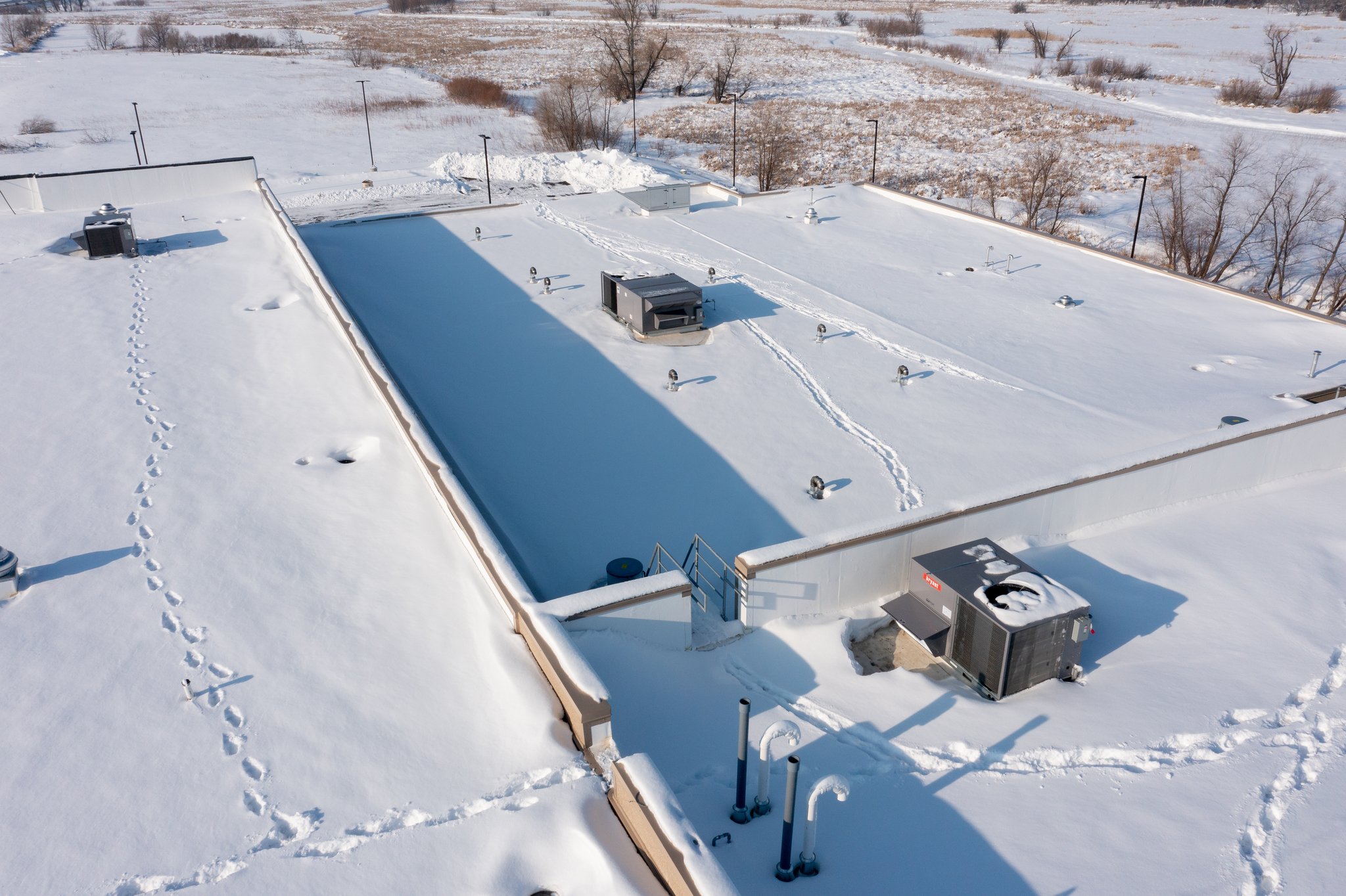
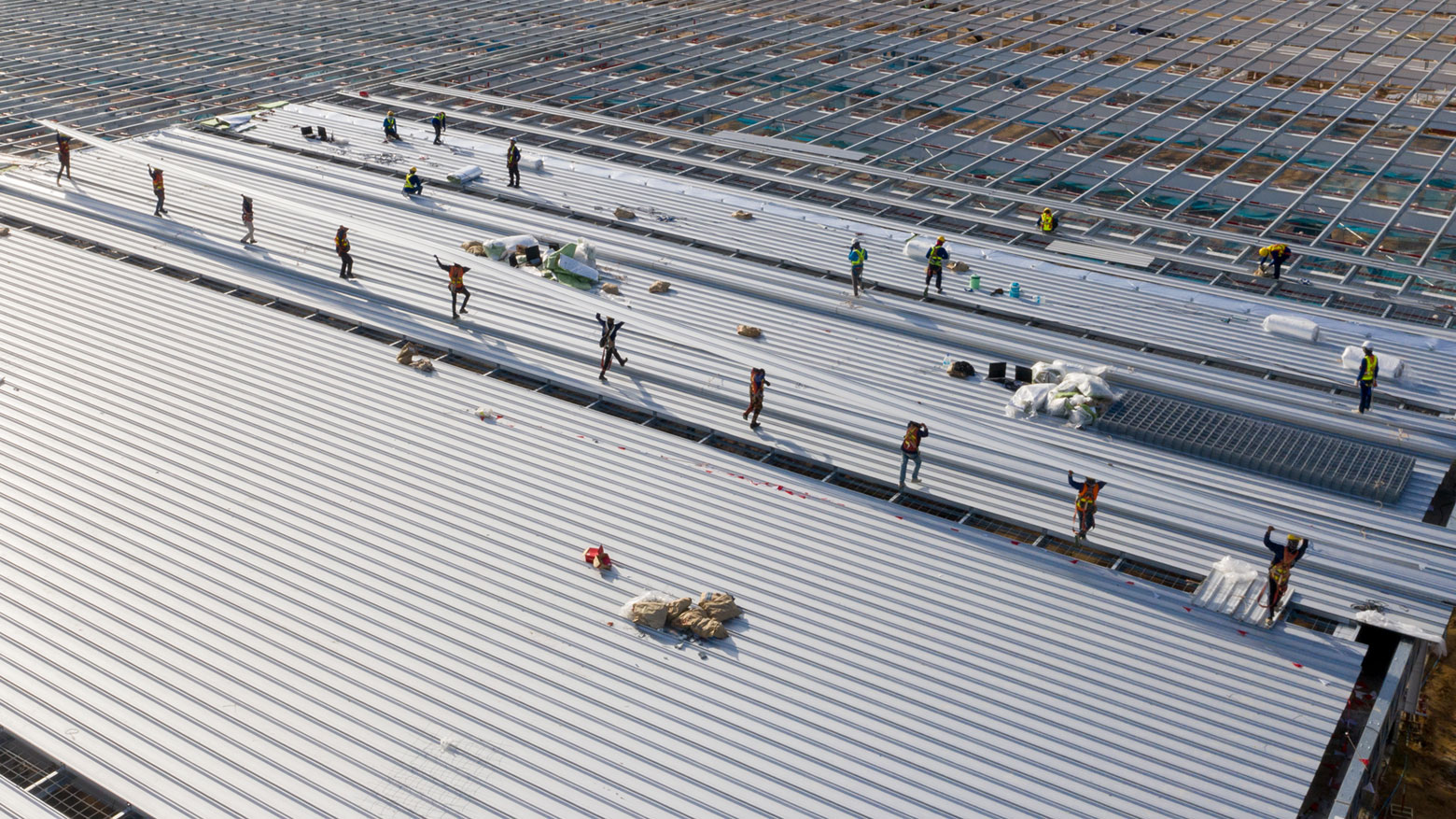
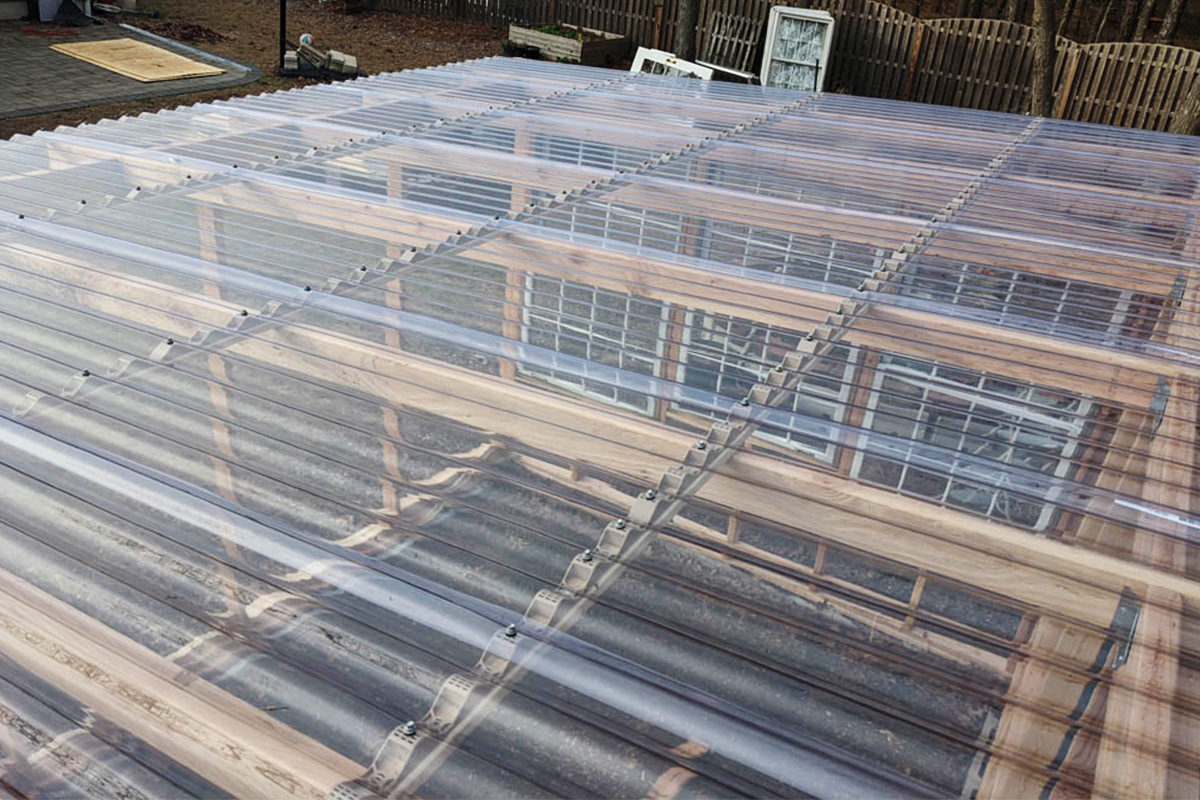
Modified Bitumen Systems, Standing Seam R Panel Metal, and EPDM Roofing can show a similar interior symptom while requiring different investigation and repair details. The observed assembly—not a generic flat-roof label—has to control the scope. The scope should name the membrane or surface that was actually observed, identify unknown construction, and check compatibility before mastics, primers, membranes, or coatings are specified. Core information may be necessary when layers and attachment affect the option set. Drainage stays in the analysis because a sound patch cannot correct water held against a curb, an overloaded outlet, or settlement at a low point. System language should support which defects are routine service, which require a separate repair scope, and when the condition trend should trigger restoration or capital planning instead of functioning as a product catalog.
Keep the occupied building in the scope
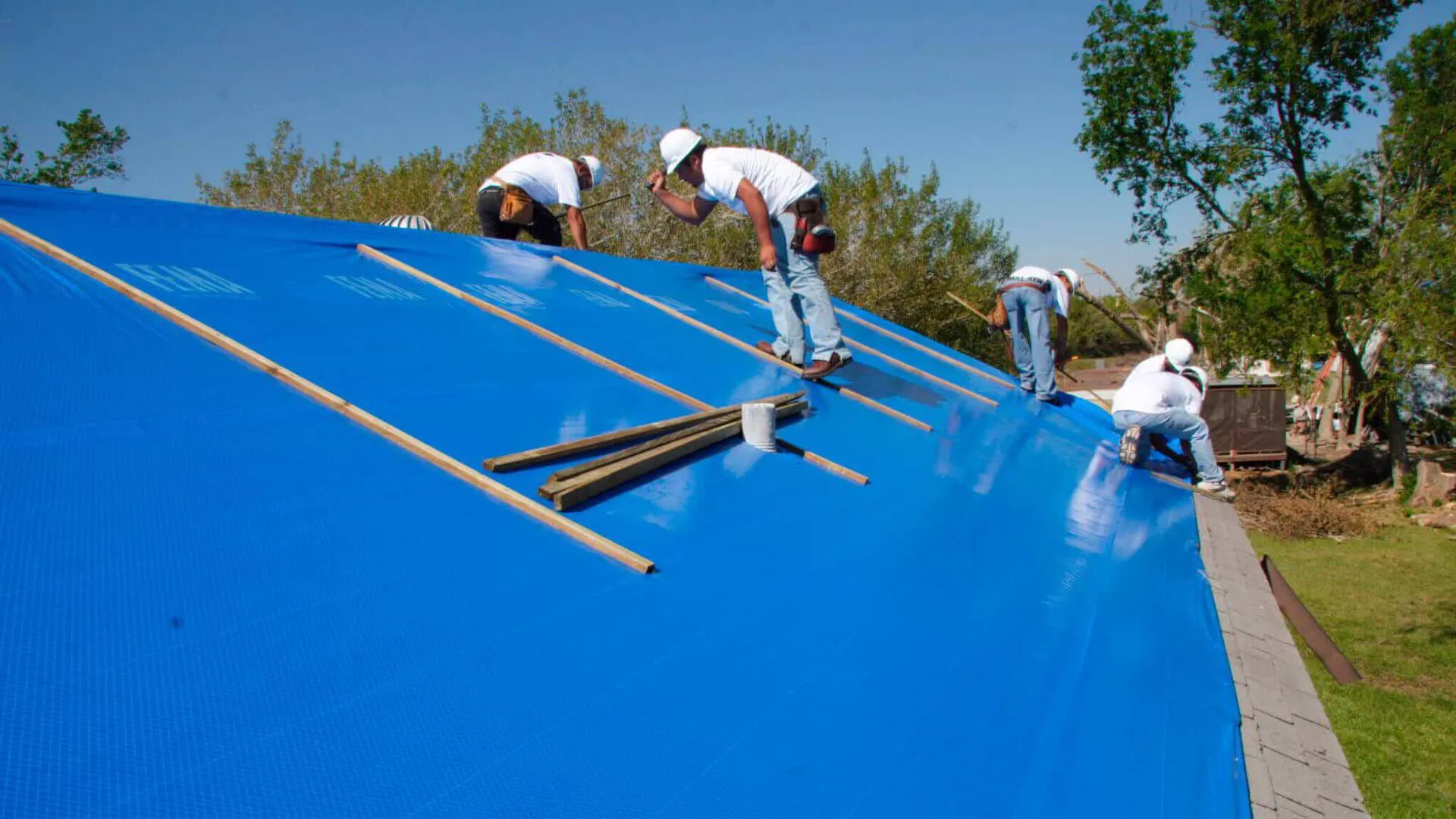
Building operations change how the same roof work is performed. On Food Ag Processing Cold Chain, Dst Roofing, or Government Public Sector, access, interior sensitivity, security, and working hours can define the safe sequence. The pre-work review should locate safe access, occupied areas, shutdown constraints, fire or security procedures, rooftop equipment, pedestrian controls, and interior protection. The building contact should know which decisions are needed before mobilization. Wet-weather work may stop at stabilization because permanent materials need a clean, dry substrate and a workable forecast. Daily closeout should state what was opened, completed, and left under temporary protection.
Use condition thresholds instead of sales pressure
The decision point is which defects are routine service, which require a separate repair scope, and when the condition trend should trigger restoration or capital planning. The evidence may support a small permanent repair, a broader corrective scope, a restoration evaluation, recover design, or tear-off, but the report needs to show why. Decision thresholds include moisture extent, remaining secure attachment, deck condition, prior repair performance, drainage, assembly compatibility, operational risk, budget timing, and the period the owner expects the roof to remain in service. A smaller scope is not automatically prudent, and a larger scope is not automatically safer. The defensible option is the one whose boundaries match the documented condition and the owner's operating requirements.
Carry today's evidence into the next roof decision
After this scope, the record should advance to a service agreement that remains active while larger repair or replacement projects are scoped separately. Carrying the same roof-zone names and evidence forward prevents the next visit from starting with an empty file. A persistent roof file connects dates, weather, symptoms, findings, repairs, costs, and follow-up. Trends become visible: recurring locations, growing wet areas, drainage issues, or a rising frequency of unrelated failures. Recurring service should not disappear when a capital project begins. Commercial Roofers of Des Moines can preserve the agreement and roof history while larger work is scoped, completed, closed out, and returned to inspection status.
Give the first call enough information to work
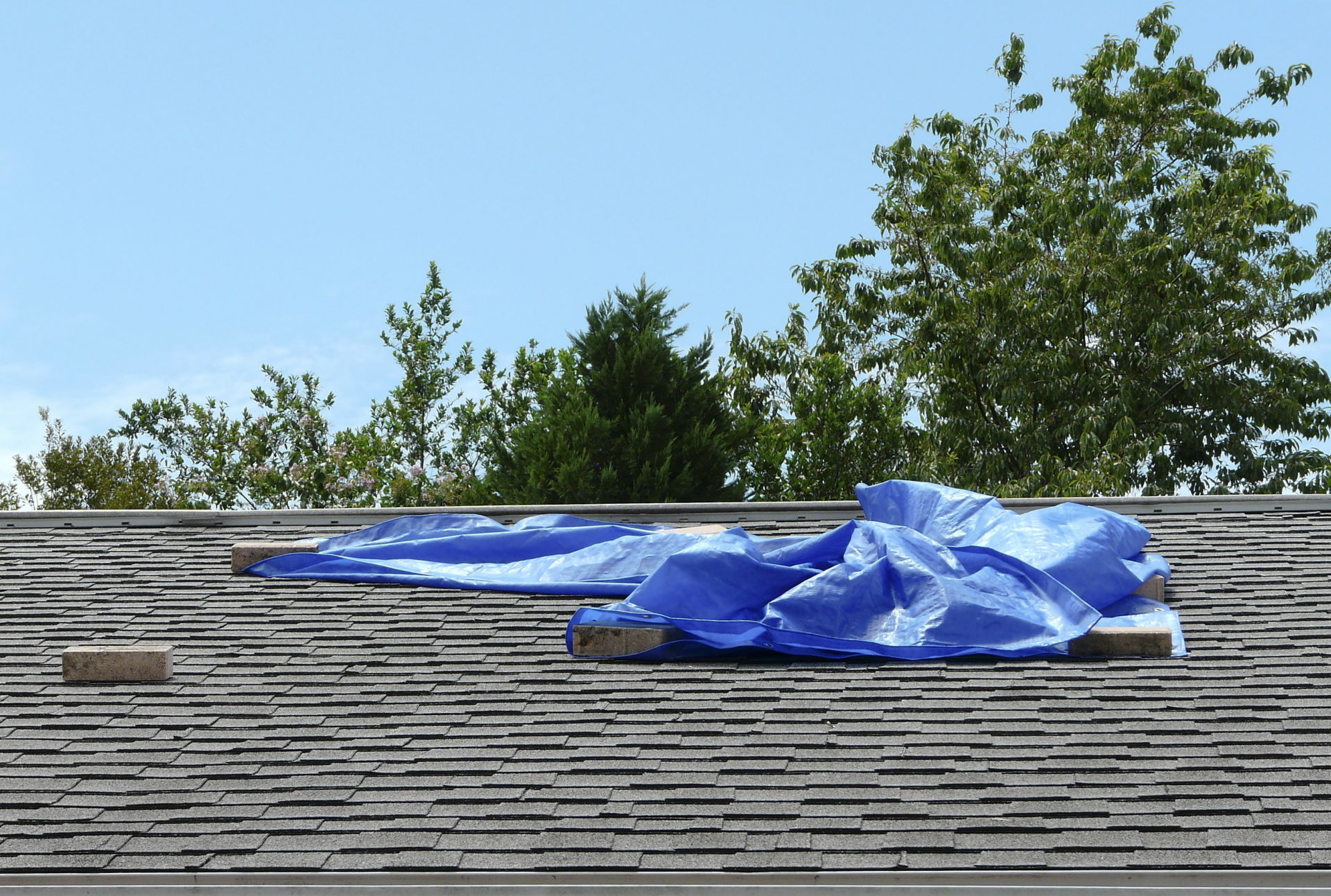
Before dispatch, collect the address, responsible building contact, safe access route, occupied area below the problem, time and behavior of the leak, known roof type, and any temporary protection already attempted at the Des Moines property. The caller should not be asked to diagnose the assembly from the floor. A short description of timing, location, volume, affected equipment, and previous occurrences is more useful than guessing which roof product failed. That intake determines whether the immediate need is interior protection, controlled roof access, weather-limited stabilization, drainage attention, or a scheduled diagnostic visit. It also gives the crew a safer and more focused starting point.
Des Moines decision checklist
- Map the interior symptom to a named roof area before selecting a repair detail.
- Record temporary measures separately from permanent work and list every open item.
- Verify drainage, penetrations, walls, edges, earlier repairs, and transitions around the affected area.
- State the observed roof assembly, unknown construction, access limits, and testing assumptions.
- Connect the recommendation to repair, restoration, replacement, maintenance, or capital-planning thresholds.
- Set the next inspection or follow-up date so the roof history continues after this visit.
Commercial roof decision questions
Does this condition automatically mean the roof must be replaced?
No. The review should establish which defects are routine service, which require a separate repair scope, and when the condition trend should trigger restoration or capital planning. Replacement becomes a defensible recommendation only when the field evidence, moisture, assembly condition, repair history, deck or attachment concerns, and lifecycle comparison support it.
What should the Des Moines roof scope document?
It should document inspection dates, roof-zone photographs, open items, completed repairs, drain-cleaning records, storm observations, warranty information, and the next planned visit. It should also label temporary and permanent work separately, state assumptions and exclusions, and identify the inspection or service step that follows the current scope.
How does an urgent call become a maintenance or capital plan?
The immediate visit creates the first roof-area record. A follow-up inspection establishes condition and priorities. Completed repairs, recurring observations, drain service, warranties, and future recommendations are then retained so maintenance stays scheduled and larger work can be placed into the appropriate capital year.