
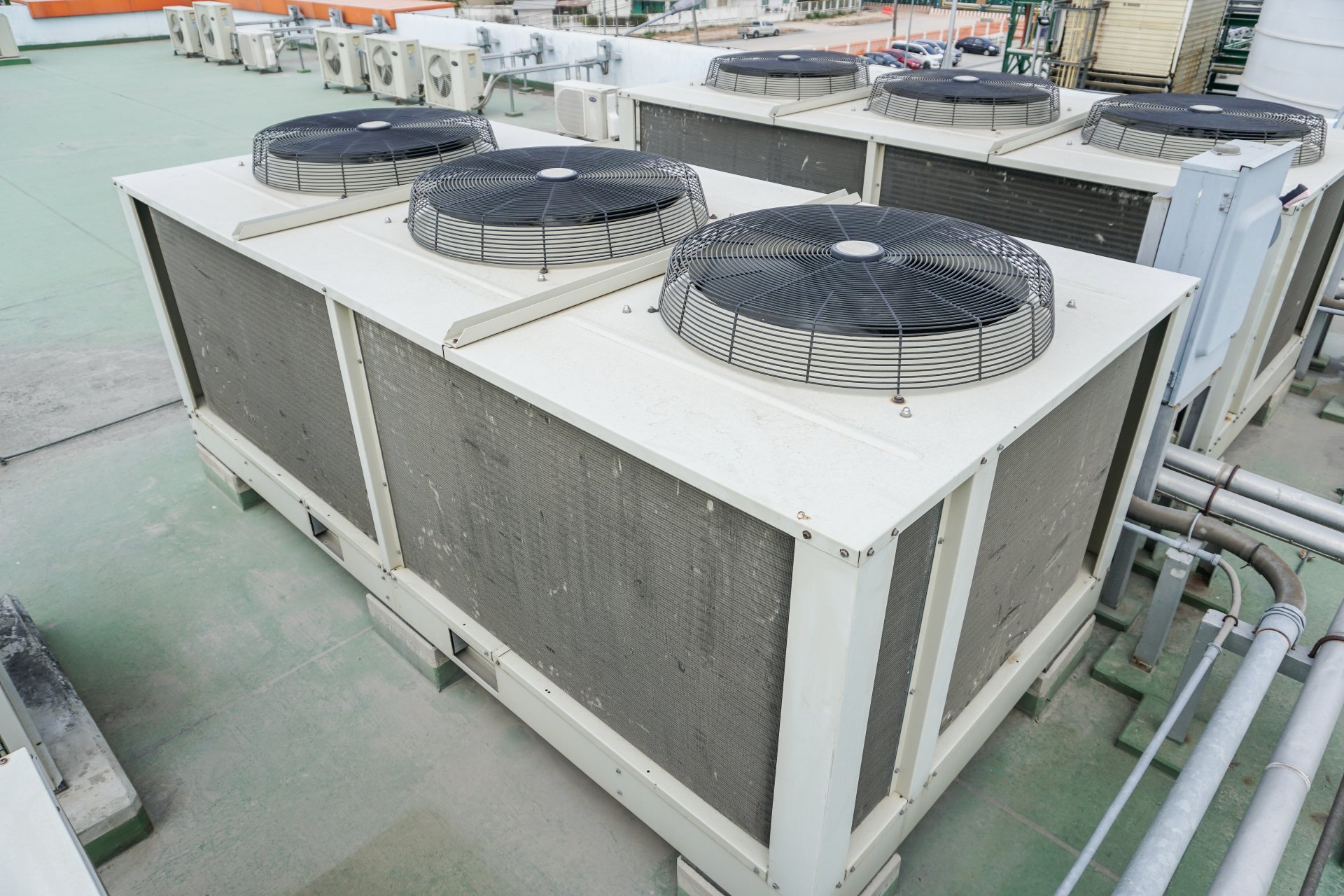
Commercial roofing for restaurants, fast food, breweries, and food service buildings.
Des Moines has quietly become one of the Midwest's most dynamic food cities, with the East Village and Court Avenue district drawing everything from James Beard–recognized chefs to national QSR chains expanding across Ingersoll and Merle Hay Road corridors. That surge in restaurant construction and renovation means one thing for property owners: flat commercial roofs are under more stress than ever. Between the cooking exhaust pushed skyward by kitchen hoods and Iowa's notorious freeze-thaw cycles, restaurant roofing in Des Moines demands a level of precision that standard commercial work simply doesn't deliver.
Grease-laden exhaust is the single most destructive force a restaurant roof faces, and Des Moines operators know it well. Every quick-service restaurant along University Avenue runs hood systems that push saturated vapor through rooftop curbs day and night. When flashing around those exhaust penetrations degrades—whether from the summer humidity rolling off the Raccoon River basin or from the January ice that locks onto exposed seams—grease finds its way under the membrane. Once that happens, TPO and modified bitumen both break down rapidly, and what looked like a minor flashing gap becomes a re-roofing project.
Kitchen ventilation curbs are a specific vulnerability that many Des Moines restaurant owners don't address until they're dealing with a health department citation or a contractor pointing a flashlight at blackened decking. Properly fabricated curbs—pitched for drainage, fully adhered at the base, and wrapped with TPO heat-welded seams—are the standard here. PVC membranes are also worth considering for any restaurant adjacent to high-grease output, since PVC resists petroleum-based contamination better than most alternatives. Getting the curb detail right from the start protects the entire roof system.
Walk-in coolers add a layer of complexity that's unique to food service buildings. The thermal cycling between a refrigerated box and a heated kitchen interior creates constant condensation potential at every roof penetration. In Des Moines winters, that moisture can freeze inside insulation layers before anyone realizes there's a problem. Proper vapor barriers, correctly positioned within the roof assembly, are non-negotiable for any restaurant that runs a walk-in on the rooftop or directly below a low-slope membrane area. Skipping that detail during a retrofit is one of the most common—and costly—mistakes in the industry.
The Des Moines climate adds weather-specific wear patterns that sit-down restaurants in milder markets don't face. Spring hailstorms track regularly through Polk County, pitting exposed EPDM and compromising TPO seams. By late summer, UV exposure from long Iowa days begins to oxidize older membranes, accelerating cracking near mechanical curbs where ponding water compounds the damage. Seasonal inspections—particularly after the spring storm window closes and before the heating season begins—are the minimum standard for any food service property owner trying to stay ahead of failures rather than react to them.
For fast food operators on the franchise side, Des Moines presents a well-known challenge: remodeling cycles. National chains updating their prototypes along Merle Hay Road or out near Jordan Creek Town Center often require new HVAC penetrations, drive-through canopy tie-ins, and expanded kitchen ventilation—all of which punch additional holes through the roof membrane. Each penetration is a potential failure point if the contractor doesn't seal it with the same care as the original installation. Coordinating roofing scope during a remodel, rather than after, saves money and protects the warranty on whatever membrane is already in place.
Health code compliance in Iowa ties directly to roof condition in ways that surprise some restaurant owners. Moisture intrusion through a failed membrane or degraded curb flashing can compromise ceiling tiles, wiring, and the structural integrity of kitchen hood mounting points. Polk County inspectors have flagged roofing-related issues that contributed to citation-level moisture problems in food preparation areas. Staying compliant means treating the roof as a critical part of the food safety envelope, not just a building maintenance line item.
Breweries and taprooms along the Des Moines arts and culture scene—particularly those operating in repurposed warehouse space near the Warehouse District—face a distinct roofing challenge. Large kettle ventilation stacks, steam exhaust from brewing operations, and refrigeration units for cold-side fermentation all concentrate roof penetrations in ways that a standard commercial inspection won't catch. Specialized roofing contractors familiar with food and beverage production understand the load requirements, condensation patterns, and chemical exposure unique to brewing. That expertise matters when a failed flashing around a steam exhaust stack can shut down a batch mid-process.
Minimizing downtime is the governing constraint for every Des Moines restaurant roofing project. A full-service replacement during peak dining hours is simply not an option for operators running lunch covers on Court Avenue or dinner service in the East Village. Phased work plans, night-shift scheduling for tear-off on single-ply systems, and the use of induction welders rather than open-flame torches near occupied kitchens are all standard practices that protect both the business and the roof warranty. Owners who select contractors with documented food service experience avoid the disruptions that come with crews unfamiliar with operating around active kitchens.
What to send before the roof walk
Send the roof address, leak photos, roof age if known, access instructions, tenant limits, prior reports, and the deadline driving the decision. That lets the first visit focus on the roof condition instead of chasing basic context.
Questions Owners Ask
Can this work happen while the building is occupied?
Often yes. The scope should cover access, safety, dry-in, staging, noise, interior protection, and the times when tenants or operations cannot be interrupted.
What changes the cost most?
Wet insulation, deck condition, edge metal, layer count, access, roof size, code triggers, weather timing, and the amount of repeated damage usually move the cost.
How is the condition documented?
The roof file should include photos, locations, material notes, observed defects, temporary repairs, remaining deficiencies, and recommended next steps.