
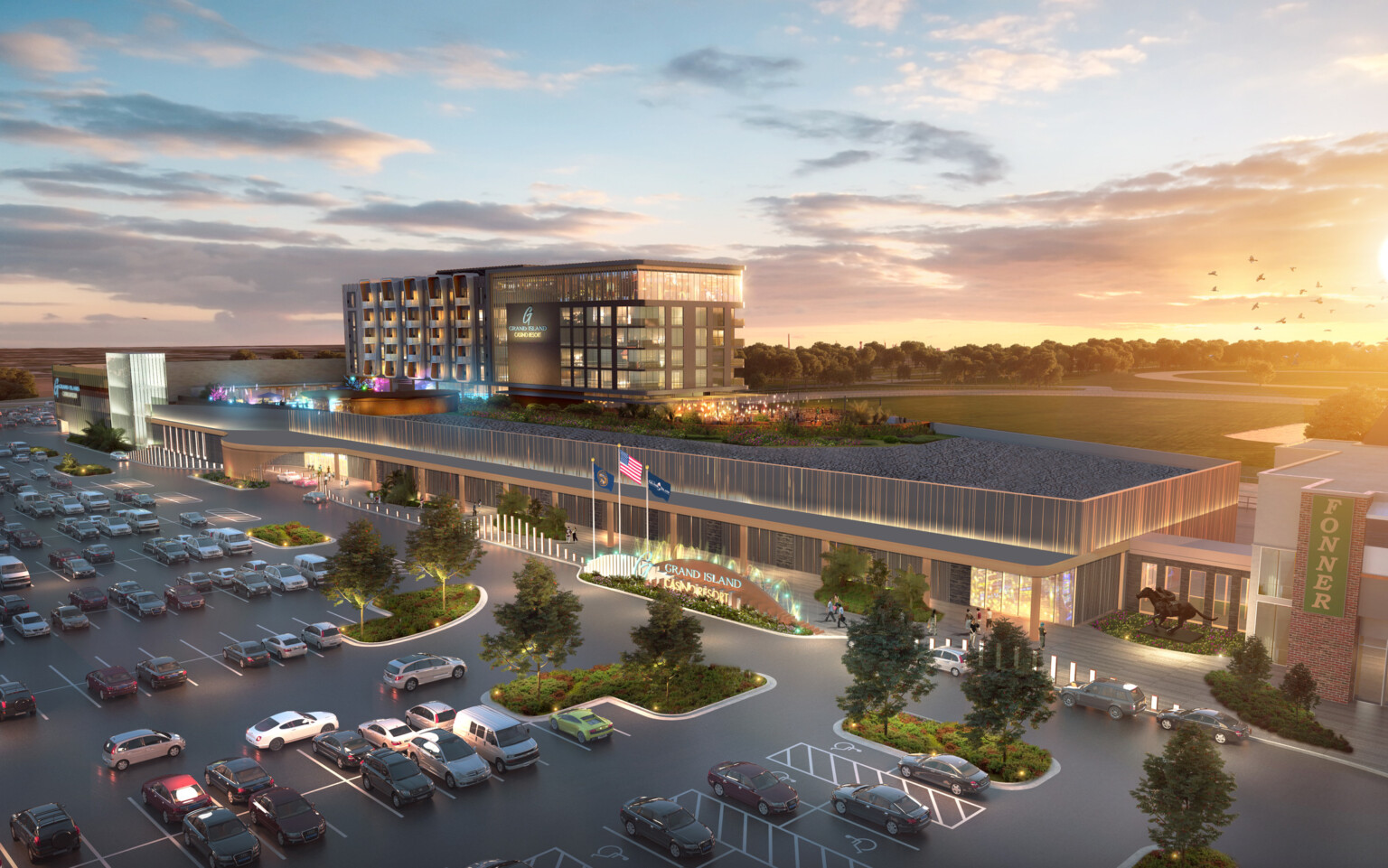
Commercial roofing for hotels, motels, resorts, and hospitality properties.
Des Moines has emerged as one of the Midwest's most underappreciated hotel markets, driven by a state capital and financial services industry that keeps weekday corporate occupancy consistently strong and a growing convention and event calendar centered on the Iowa Events Center and the Principal Riverwalk. The city's hotel inventory spans from boutique properties in the East Village and the historic Surety Hotel, to the suburban select-service and extended-stay corridor along I-235, to the cluster of full-service hotels connected to Hy-Vee Hall and the downtown skyway system. Across all of these property types, Iowa's agricultural heartland climate — with its severe winters, intense thunderstorm seasons, and rapid spring temperature swings — makes roofing system performance a critical operational concern.
Iowa winters impose a freeze-thaw stress cycle that is among the most demanding in the continental United States. Des Moines averages roughly 35 inches of snowfall annually, but more damaging than snowfall volume is the pattern of repeated freeze-thaw transitions that occur throughout November, February, and March when temperatures oscillate around the freezing point for days at a time. This cycling causes roofing membranes to contract and expand repeatedly in short intervals, and seams that lack proper thermally welded or heat-bonded construction can fail gradually through this mechanical fatigue. Hotel owners who specify cold-adhesive seam systems to save upfront cost often encounter repair expenses within five to seven years that would have been avoided with a properly welded system.
The Iowa State Fair, one of the largest and most attended state fairs in the nation, creates a hotel demand surge in late August that fills nearly every property within 20 miles of Des Moines for more than two weeks. Properties that serve State Fair overflow demand — primarily suburban select-service hotels — need to have all roofing projects completed before the third week of August to avoid the impossible combination of full-house occupancy and active construction noise. Owners who schedule roofing projects for July and early August build in adequate buffer for material delivery delays and weather interruptions, which are a genuine risk in Iowa's summer thunderstorm season.
Summer thunderstorms in Des Moines bring their own distinct roofing challenges. Iowa is positioned within the central U.S. tornado and severe thunderstorm corridor, and the metro area experiences multiple severe storm events per year that produce high winds, large hail, and concentrated rainfall events of three or more inches in under an hour. Drainage systems on hotel roofs that were originally designed for moderate rain intensity can be overwhelmed by these cloudbursts, causing ponding that stresses membrane seams and accumulates weight on the roof structure. Hotels with history of post-storm ponding should consider drain capacity upgrades or supplemental roof scuppers when their next major roof project is planned.
Des Moines hosts a significant insurance industry presence, with Principal Financial Group, Nationwide, and Farm Bureau all headquartered or substantially staffed in the metro. Hotels serving this corporate sector maintain exacting property condition standards because the procurement officers and administrative staff who manage travel accounts for these companies are professionally familiar with property condition assessment. A hotel with deferred roofing maintenance that shows up as stained ceiling tiles or warped corridor flooring loses credibility with this clientele in a way that directly affects corporate rate renewal conversations. The Des Moines insurance industry corridor between downtown and the western suburbs sets a quality expectation that flows through to physical plant maintenance standards.
Limited-service and extended-stay brands in the Des Moines metro face PIP cycles that often coincide with the 10-to-12-year mark after a property's original opening. For hotels that opened during the post-2008 construction wave, those cycles are arriving now, and roofing is frequently among the cited PIP items. Franchise representatives from Marriott, Hilton, and IHG conducting brand compliance reviews in the Des Moines market focus on roof drainage evidence — interior staining, ceiling condition, and moisture readings in top-floor rooms — as early indicators of a deferred maintenance pattern that warrants broader property review. Owners who address roofing proactively before PIP letters arrive are in a much stronger position to control project scope and timing.
The connected skyway system that links major downtown Des Moines hotels, office buildings, and the convention complex creates an interconnected envelope that adds roofing and waterproofing responsibility beyond the hotel building proper. Skyway bridge waterproofing, tunnel approach waterproofing, and joint details at building interfaces are maintenance items that hotel engineering teams sometimes overlook because they fall at the boundary between building ownership responsibilities. Clarifying these maintenance boundaries in the property operating agreements and establishing a regular inspection protocol for all envelope components — including those at the building perimeter interfaces — prevents slow leak scenarios that are especially difficult to trace and remediate once water has traveled laterally through a horizontal structure.
Hotel properties near the Principal Park baseball stadium and the Iowa Wild hockey arena at the Iowa Events Center experience event-driven demand that can fill the surrounding hotel district for 40 or more nights per year between concerts, Iowa State hockey games, and Barnstormers arena football. Hotel operators in this event zone need to view roofing maintenance as a year-round obligation rather than a seasonal task, because the calendar rarely presents an extended quiet period that would allow for non-disruptive major work. Phased project approaches that limit daily work area to one roof section at a time, with complete sealing of the active section at day's end, allow projects to proceed without exposing unfinished roof area overnight or during unplanned weather events.
Preventive maintenance for Des Moines hotel roofs should include an autumn inspection timed for October, while temperatures are still warm enough for any identified sealant repairs to cure properly before freeze conditions arrive. This inspection should probe every pipe boot and pitch pocket, test drain clamping ring integrity, and walk the full perimeter to verify that counterflashing caps are tight and that no membrane edges have lifted at termination bars. A spring inspection following snowmelt season completes the annual cycle and identifies any winter fatigue damage while the repair window is still large and costs are manageable before the summer storm season begins.
What to send before the roof walk
Send the roof address, leak photos, roof age if known, access instructions, tenant limits, prior reports, and the deadline driving the decision. That lets the first visit focus on the roof condition instead of chasing basic context.
Questions Owners Ask
Can this work happen while the building is occupied?
Often yes. The scope should cover access, safety, dry-in, staging, noise, interior protection, and the times when tenants or operations cannot be interrupted.
What changes the cost most?
Wet insulation, deck condition, edge metal, layer count, access, roof size, code triggers, weather timing, and the amount of repeated damage usually move the cost.
How is the condition documented?
The roof file should include photos, locations, material notes, observed defects, temporary repairs, remaining deficiencies, and recommended next steps.